
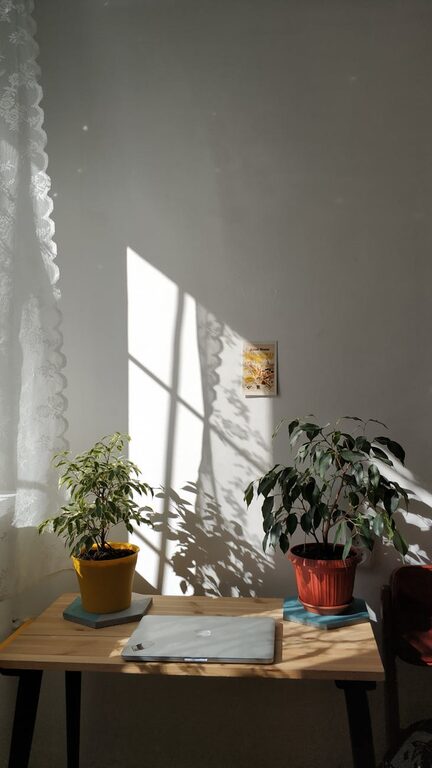
Tips for Creating a Relaxing Home Workspace
Creating a relaxing home workspace is essential for maintaining productivity and well-being, especially as many people spend more time working from home. A thoughtfully designed work environment can reduce stress, improve focus, and make your daily tasks more enjoyable. In this post, we’ll explore practical tips to help you build a calming, comfortable workspace right in your home.
Why a Relaxing Workspace Matters
When your workspace feels cluttered, noisy, or uninspiring, it can negatively impact your concentration and mood. On the other hand, a space designed with relaxation and comfort in mind encourages better focus and creativity. It also helps you establish boundaries between work and personal life, contributing to a healthier daily routine.
Choosing the Right Location
Find a Quiet Spot
Start by selecting a location in your home where you can minimize distractions. Ideally, choose a room or corner away from household noise and foot traffic. If space is limited, even a small nook near a window or a less-used area can work well.
Consider Natural Light
Natural light has a positive influence on mood and energy levels. Position your desk near a window to enjoy daylight and outdoor views. If natural light is limited, invest in quality artificial lighting that mimics daylight to keep the space bright and inviting.
Invest in Comfortable Furniture
Ergonomic Chair
Comfort is key to staying relaxed during work hours. An ergonomic chair that supports your back and promotes good posture will reduce physical strain and prevent discomfort.
Functional Desk
Choose a desk that fits your space and work needs. A surface with enough room for your computer, notebooks, and any other essentials keeps you organized and efficient.
Keep It Organized and Clutter-Free
Declutter Regularly
A cluttered desk can increase stress and distraction. Set aside time each week to tidy your workspace, storing away items you don’t use daily.
Use Storage Solutions
Drawer organizers, shelves, or bins help keep supplies neat and accessible. Label containers to make it easy to find what you need quickly.
Add Calming Elements
Incorporate Greenery
Houseplants add color and a touch of nature, which can improve air quality and elevate your mood. Low-maintenance plants like succulents or pothos are great for busy individuals.
Use Relaxing Colors
Choose paint or decorations in soft, calming colors such as blues, greens, or neutrals. These tones help create a peaceful atmosphere that supports focus.
Personal Touches
Add a few personal items like photos, artwork, or meaningful objects that inspire positivity without overcrowding your space.
Control Noise and Reduce Distractions
Use Noise-Canceling Headphones
If external sounds are a problem, noise-canceling headphones can create a quiet zone, helping you concentrate better.
Play Soft Background Music
For some, gentle instrumental music or nature sounds can enhance focus and reduce stress.
Prioritize Good Lighting
Layer Your Lighting
Combine overhead, task, and ambient lighting for flexibility. A desk lamp with adjustable brightness allows you to control light levels based on your activity.
Avoid Glare
Position screens and lighting to prevent glare, which can cause eye strain and discomfort.
Encourage Movement and Breaks
Take Regular Breaks
Step away from your desk every hour to stretch or walk around. Movement helps refresh both your body and mind.
Include a Standing Option
If possible, use an adjustable desk or a standing desk converter. Changing positions during the day can reduce fatigue.
Maintain a Healthy Work-Life Boundary
Set Clear Work Hours
Define your work schedule to help separate professional tasks from personal time.
End Your Day with a Routine
Close your workspace or turn off your computer at the end of the day to signify the transition from work to relaxation.
—
Creating a relaxing home workspace doesn’t require major renovations—small changes can have a big impact. By paying attention to lighting, comfort, organization, and calming elements, you can design a space that supports productivity and peace of mind. Take some time to personalize your workspace with these tips and enjoy a more balanced, enjoyable work-from-home experience.
