Tips for Creating a Relaxing and Productive Home Workspace
Creating a home workspace that balances relaxation and productivity is essential for anyone working remotely or spending significant time at home. A well-designed workspace can boost your focus, reduce stress, and help maintain a healthy work-life balance. Here are some helpful tips to create a comfortable, efficient, and calming home office.
1. Choose the Right Location
The first step in setting up your workspace is selecting an ideal location. If possible, find a quiet spot with minimal distractions. A corner of a spare room, a section of the living room, or even a nook near a window can work well.
– Natural light: Aim for a place with good natural light, which can improve mood and reduce eye strain.
– Away from noise: Keep your workspace distant from household noise if possible, such as television sounds or foot traffic.
– Separate space: Try to physically separate your work area from spaces associated with relaxation or entertainment.
2. Invest in Comfortable and Functional Furniture
Your furniture choices impact both your comfort and productivity throughout the day.
– Ergonomic chair: Pick a chair that supports your back and encourages good posture.
– Desk size: Choose a desk with enough surface area for your computer, a notebook, and any other essentials, without feeling cluttered.
– Adjustable options: Consider adjustable desks or chairs that allow you to switch between sitting and standing to reduce fatigue.
3. Optimize Your Lighting
Proper lighting is crucial for eye comfort and creating a positive atmosphere.
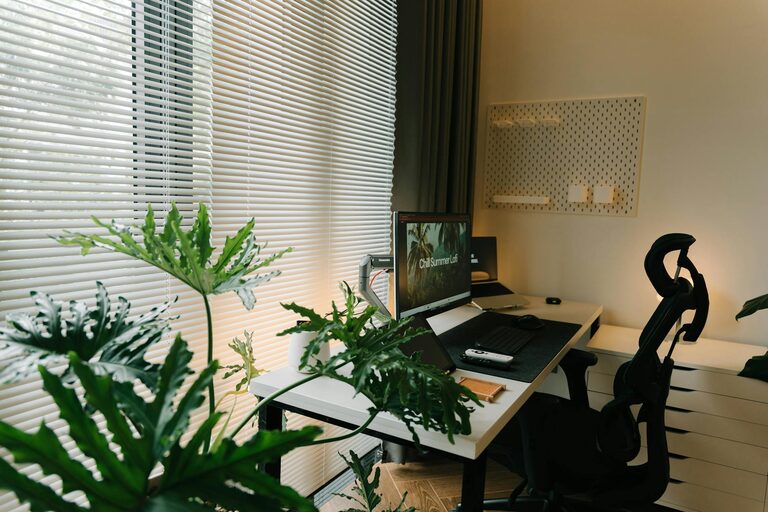
– Natural lighting: Position your desk near windows to benefit from daylight.
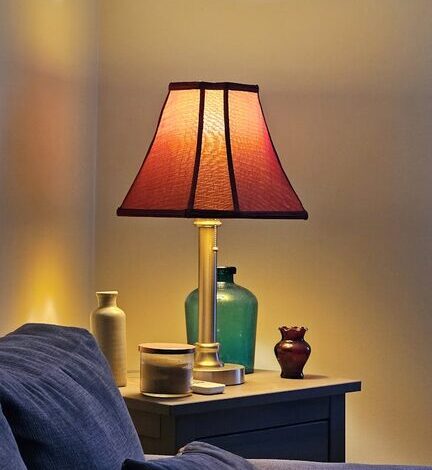
– Task lighting: Use desk lamps with adjustable brightness to illuminate specific areas.
– Avoid glare: Place your computer screen perpendicular to windows to prevent glare that causes eye strain.
4. Keep the Space Organized
A tidy workspace promotes clear thinking and helps reduce stress.
– Declutter regularly: Remove unnecessary items and keep only essentials on your desk.
– Storage solutions: Use shelves, drawers, and organizers to store supplies neatly.
– Cable management: Use clips or ties to keep cords untangled and out of sight.
5. Personalize Your Workspace
Adding personal touches can make your workspace more inviting and reduce stress.
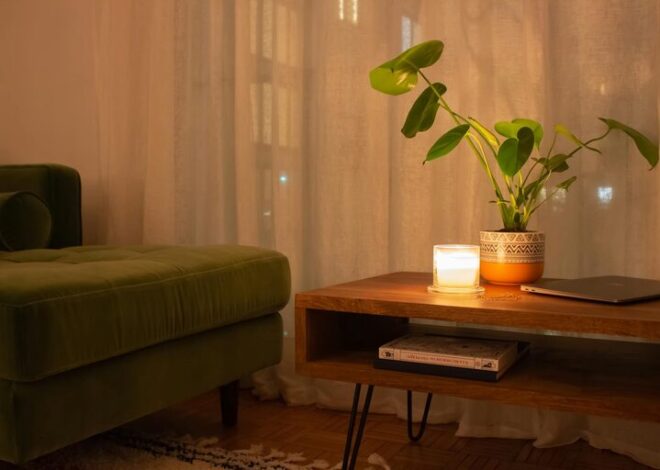
– Plants: Incorporate small indoor plants to bring a touch of nature and improve air quality.
– Photos and art: Display a few favorite photos or artwork that inspire or calm you.
– Color accents: Use your favorite colors in accessories like cushions, rugs, or stationery to make the space feel warmer.
6. Minimize Distractions
To stay focused, it’s important to limit interruptions and distractions.
– Noise control: Use noise-canceling headphones or play soft background music if that helps you focus.
– Designate “work hours”: Communicate your working hours to family members or housemates.
– Turn off notifications: Silence unnecessary digital alerts during focused work periods.
7. Incorporate Break and Movement Areas
Including space or routines that encourage movement helps maintain energy and reduce fatigue.
– Stretch breaks: Stand up and stretch regularly to avoid stiffness.
– Mini exercise: Use a yoga mat or small space for quick exercises or meditation sessions.
– Relaxing corner: Create a nearby cozy spot where you can unwind during breaks, with a comfortable chair or cushion.
8. Use Technology Wisely
Technology can enhance your productivity, but it can also overwhelm if not managed carefully.
– Efficient devices: Use reliable and fast tools that suit your work needs.
– Organized digital files: Keep your computer desktop and folders tidy to save time and reduce frustration.
– Apps and tools: Utilize helpful apps for time management, note-taking, and task tracking.
9. Maintain Air Quality and Temperature
A comfortable environment helps you stay alert and comfortable.
– Ventilation: Make sure the workspace has fresh air flow to keep you refreshed.
– Temperature: Adjust heating or cooling to maintain a comfortable temperature.
– Air purifiers: If necessary, use an air purifier to improve indoor air quality.
Conclusion
Designing a home workspace that is both relaxing and productive takes some planning, but the benefits are well worth it. By choosing the right location, investing in comfortable furniture, optimizing lighting and organization, and personalizing your space, you can create an environment that supports your work and well-being. Remember to minimize distractions, incorporate breaks, use technology wisely, and maintain good air quality to enhance your home office experience. With these tips, your workspace can become a place where focus and calm coexist naturally.