Tips for Creating a Relaxing Home Workspace
Creating a relaxing home workspace is essential for anyone who spends time working remotely or tackling projects at home. A well-designed workspace can improve concentration, enhance creativity, and help you maintain a healthy work-life balance. Whether you have a dedicated room or just a corner in your living room, there are plenty of simple strategies to transform your space into a calm and inviting environment.
Why a Relaxing Workspace Matters
When your workspace feels chaotic or uncomfortable, it can be difficult to stay focused and motivated. Stress can build up, and productivity may decline. On the other hand, a calming environment encourages positive moods and efficient work habits.
The goal is to create a space that supports your needs by balancing comfort, functionality, and aesthetics.
Tips to Design Your Relaxing Home Workspace
1. Choose the Right Location
– Pick a quiet corner or room with minimal distractions.
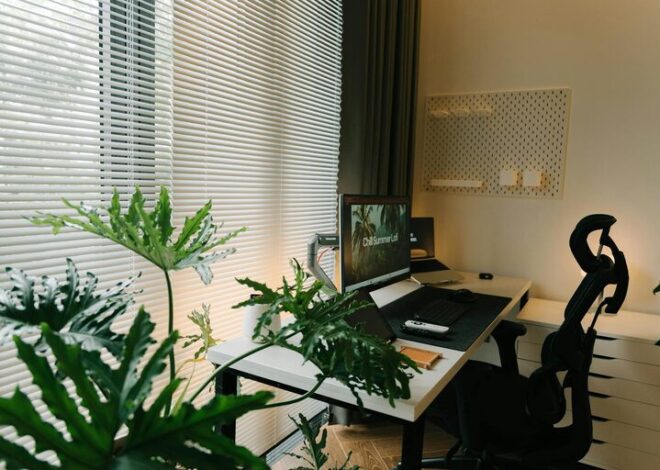
– Ideally, use natural light as much as possible; positioning your desk near a window is a great option.
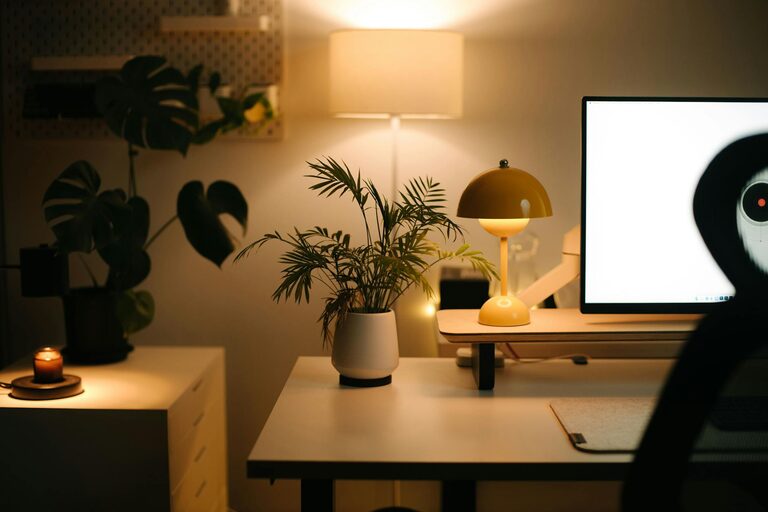
– If natural light is limited, choose soft, warm lighting rather than harsh overhead bulbs.
2. Invest in Comfortable Furniture
– Select an ergonomic chair that supports your back well during long hours.
– Consider a desk with enough surface area to hold your computer, notepads, and other essentials without feeling cluttered.
– Adjustable desks that let you switch between sitting and standing positions can benefit your posture and energy.
3. Keep It Organized
– Declutter your workspace daily to maintain focus.
– Use storage solutions like shelves, drawers, or organizers for supplies and paperwork.
– Cable management tools help keep wires tidy and prevent distractions.
4. Add Soothing Colors and Decor
– Choose calming colors such as soft blues, greens, or neutrals to promote tranquility.
– Personalize the space with a few meaningful or inspiring items, but avoid overcrowding.
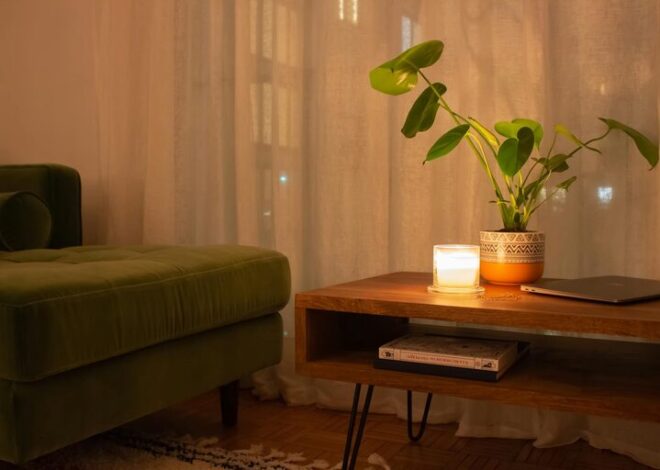
– Incorporate textures like a cozy rug, cushions, or curtains to make the area inviting.
5. Bring in Elements of Nature
– Houseplants improve air quality and add a touch of greenery that can reduce stress.
– Small water features or nature-themed artwork can also contribute to a peaceful vibe.
– Natural scents like lavender or eucalyptus through essential oils or candles create a relaxing atmosphere (ensure they are safe and not overpowering).
6. Manage Noise Levels
– Use noise-cancelling headphones if external sounds are unavoidable.
– Play soft background music or white noise if it helps you concentrate.
– Consider soundproofing options such as rugs, curtains, or acoustic panels if necessary.
7. Establish a Routine and Boundaries
– Set specific work hours to separate work time from personal time.
– Create a morning routine that signals the start of your workday, such as tidying your desk or making coffee.
– Avoid working in bed or on the couch to maintain mental boundaries between rest and productivity.
8. Incorporate Movement Breaks
– Design your space with room to stretch or do short exercises.
– Use reminders or timers to take breaks regularly to avoid burnout.
– Consider using a standing desk or balance ball chair to promote movement.
Final Thoughts
A relaxing home workspace is not just about looks but how the space makes you feel and function. By thoughtfully arranging your work area and paying attention to comfort, organization, and ambiance, you can create a personal retreat that supports your best work. Start small, and remember that your workspace can evolve as your needs change.
With these tips, your home workspace can become a place where productivity and peace coexist, helping you enjoy remote work or study more fully.