
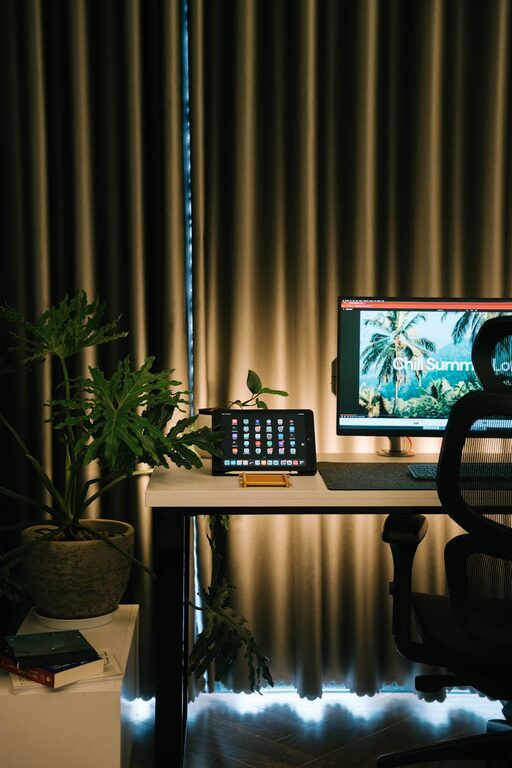
Tips for Creating a Relaxing Home Workspace to Boost Productivity
Creating a home workspace that feels relaxing yet productive can be a game-changer for anyone working remotely or managing tasks at home. When your workspace promotes calmness and focus, it naturally boosts your motivation and efficiency. Here are some thoughtful tips to help you design a relaxing home workspace that supports your best work.
Why a Relaxing Workspace Matters
A cluttered, noisy, or uncomfortable work area can lead to distractions and stress. On the other hand, a well-designed space encourages creativity, reduces anxiety, and makes work feel more enjoyable. The goal is to balance comfort with function, creating an environment where you can concentrate while feeling calm and centered.
Choose the Right Location
Prioritize Natural Light
If possible, set up your workspace near a window. Natural light helps regulate your mood and energy levels, making it easier to stay alert and positive. Avoid harsh glare directly on screens, but let in enough daylight to brighten your area.
Minimize Noise Distractions
Select a quiet corner of your home where interruptions are less likely. If noise is unavoidable, consider noise-canceling headphones or a white noise machine to maintain focus.
Invest in Comfortable Furniture
Ergonomic Chair and Desk
Comfort is key when spending hours working. Choose an ergonomic chair that supports good posture and a desk at a suitable height to avoid strain. Adjustable furniture can accommodate different tasks and body positions throughout the day.
Add Soft Textures
Incorporate a soft rug, cushion, or curtains to absorb sound and add warmth. These touches make the space feel cozy without sacrificing professionalism.
Organize Your Space Thoughtfully
Declutter Regularly
A clutter-free desk minimizes distractions and improves your ability to focus. Keep only essential items on your surface and store the rest neatly.
Use Smart Storage Solutions
Use shelves, bins, or drawer organizers to keep supplies accessible but out of sight. Label containers to save time searching.
Create a Calming Color Palette
Colors affect mood and productivity. Soft blues, greens, and neutral tones are proven calming choices that help reduce stress. If you prefer brighter colors, use them as accents rather than the dominant theme.
Incorporate Plants and Nature
Adding greenery to your workspace can improve air quality and boost your mood. Small potted plants or succulents require minimal care and bring a touch of nature that encourages relaxation.
Control Lighting Conditions
Apart from natural light, use a good quality desk lamp with adjustable brightness. Warm light tones help reduce eye strain, especially in the evening, creating a soothing ambiance.
Personalize Your Space Without Overcrowding
Display a few meaningful items such as photos, art, or inspirational quotes to make your workspace inviting. Avoid overcrowding, which can lead to distraction and mess.
Set Clear Boundaries
Define Work Hours
Even though you work at home, setting a schedule helps your mind separate work time from personal time. Use a timer or calendar to stick to your plan.
Establish Physical Boundaries
If possible, reserve your workspace for work only. This separation helps your brain switch into “work mode” and makes it easier to relax when you leave the space.
Add Elements for Mindfulness and Breaks
Keep a stress ball, a small meditation cushion, or a journal nearby to support short mindfulness breaks. These activities can refresh your mind and prevent burnout.
Maintain Good Air Quality
Keep your workspace well-ventilated by opening windows when weather allows. Using an air purifier can also improve comfort and concentration.
Keep Technology Organized and Updated
Ensure your devices are organized with cable management solutions to prevent tangles. Regularly update your software and hardware to avoid tech frustrations that disrupt workflow.
Final Thoughts
A relaxing home workspace is achievable with intentional choices. By combining comfort, organization, natural elements, and clear boundaries, you create an environment where productivity flourishes effortlessly. Take small steps toward these tips, and watch your workday become more enjoyable and effective.
Remember, your workspace should reflect your style and needs. Experiment with what makes you feel calm and focused, then fine-tune your setup accordingly. A little effort can lead to big improvements in how you work and feel every day.
